Plaid Christmas Sublimation Bundle Review
As a designer who spends half my life staring at stitch charts and the other half trying to convince clients that embroidery isn’t just for old-fashioned monograms, I approach every new digital asset with a mix of skepticism and hope. The market is flooded with generic holiday motifs, so finding something that balances festive cheer with actual commercial viability is rare. Recently, I put the Plaid Christmas Sublimation Bundle through its paces to see if it holds up in real-world production environments. This isn’t just about how it looks on a screen; it’s about how it translates when thread meets fabric.
First Impressions: Mood and Visual Personality
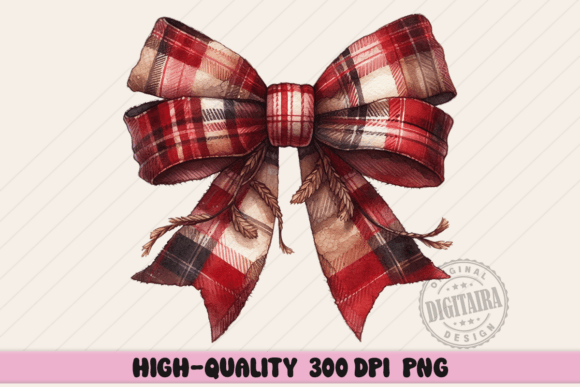
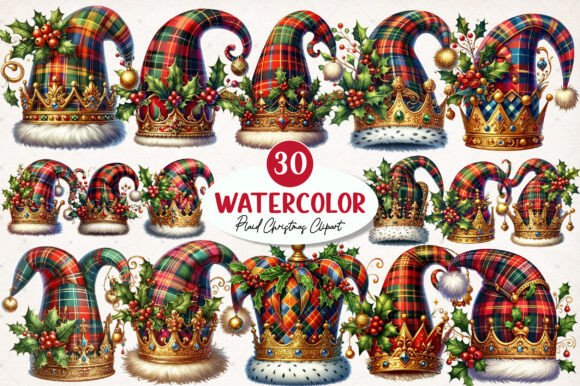
When you first open the bundle, the immediate takeaway is the warmth of the palette. Plaid patterns have a specific rhythm—they are structured, cozy, and inherently nostalgic. In the context of Illustrations designed for sublimation or embroidery conversion, this bundle nails the "hygge" aesthetic without feeling cluttered. The visual personality is bold yet traditional, which makes it incredibly versatile for seasonal branding.
What stands out immediately is the layout integrity. Many designers struggle to create plaid patterns that don’t look like distorted grids when scaled down. Here, the lines maintain their crispness, suggesting that the underlying vector structure is clean. For an embroidery project, this clarity is crucial because it translates directly into stitch accuracy. It feels less like a random clipart collection and more like a cohesive design system intended for serious craft business use.
Real-World Application: From Screen to Stitch
I decided to test this design by simulating a common small business scenario: creating a line of holiday-themed merchandise for an upcoming craft fair. The goal was to produce items that felt premium enough for boutique retail but accessible enough for everyday gift-giving. I focused on three key product categories where this machine embroidery design would likely thrive.
Custom Apparel and Sweatshirts
The most obvious application is sweatshirt embroidery. The plaid motif pairs beautifully with heavy cotton blends often used in winter wear. When I visualized this on a charcoal gray crewneck, the contrast potential was striking. However, as any seasoned decorator knows, dark fabrics demand careful thread selection. The bundle’s inherent colors need to be mapped against available polyester or rayon threads to ensure they pop. If executed correctly, the resulting custom apparel has a high perceived value, looking less like mass-produced merch and more like a limited-edition artisan piece.
Tote Bags and Market Accessories
Another strong contender is the tote bag design. Canvas totes are staples for Etsy sellers during the holidays. The geometric nature of plaid works well on the flat surface of a tote, allowing for larger placement without overwhelming the bag’s structure. I imagined using a dense fill stitch for the main body of the pattern to give it texture, contrasting with a satin stitch border to frame the design. This combination adds tactile interest, encouraging customers to touch the product—a key factor in driving sales at physical markets.
Baby Items and Nursery Decor
Perhaps the most surprising fit is for baby embroidery. While plaid can sometimes feel masculine or rustic, in soft pastels or muted reds, it becomes charmingly classic for nursery decor. A small, simplified version of this design on a receiving blanket or a burp cloth offers a sophisticated alternative to the typical cartoon animals. It appeals to parents who want holiday spirit that doesn’t scream "Christmas" but whispers "cozy season."
Technical Considerations and Potential Pitfalls
No design is perfect, and understanding the limitations of the digital embroidery file is part of the professional responsibility. While the Plaid Christmas Sublimation Bundle is visually appealing, there are specific areas where caution is required.
- Hoop Size Constraints: Because plaid relies on repetition, scaling the design too small can result in muddy stitching. You must confirm the minimum hoop size before attempting tiny accents. On very small hoofs, individual stitches may merge, losing the grid effect entirely.
- Fabric Texture: This design performs best on smooth, tightly woven fabrics. Avoid textured materials like chunky knits or terry cloth unless you are prepared for significant distortion. The fabric texture can interfere with the precision needed for the intersecting lines.
- Stitch Density: Check the stitch density carefully. If the design uses too much fill stitch in a small area, it can become stiff and uncomfortable to wear. For garments, lighter density is preferred. For home goods like pillows or towels, higher density adds durability.
- Curved Surfaces: Applying this to curved surfaces like caps or hats requires advanced digitizing skills to prevent warping. The rigid nature of a plaid pattern fights against the curve, potentially causing puckering if not stabilized properly.
Design Notes for the Professional Maker
Before committing to a full production run, I strongly advise taking a methodical approach. First, always test the embroidery file on scrap fabric that matches your final material. This reveals issues with tension and thread pull that aren't visible on screen.
Second, inspect the small details. Zoom in on the corners and intersections of the plaid. Are there any unnecessary jump stitches? Is the transition between satin stitch borders and fill stitch areas smooth? Poor transitions can lead to thread breaks and unsightly gaps.
Third, consider the thread colors. Digital colors do not always match thread colors. Create a mockup using your actual thread palette. If the design relies on subtle shading, ensure you have enough distinct thread shades to replicate it effectively. Sometimes, simplifying the color count improves the overall clarity of the finished product.
Finally, verify the licensing terms. If you plan to sell finished items, you need to know if the license covers commercial embroidery. Some bundles allow unlimited personal use but restrict commercial sales or require a separate commercial license. As an Etsy seller or small shop product creator, protecting your business from copyright issues is paramount.
Final Verdict
The Plaid Christmas Sublimation Bundle is a solid addition to any designer’s library for the holiday season. It offers a timeless aesthetic that resonates with buyers looking for quality over trendiness. Whether you are creating personalized gifts, expanding your craft business inventory, or designing assets for printable mockups, this bundle provides a reliable foundation.
It shines brightest when paired with appropriate materials and careful execution. By respecting the technical requirements—checking densities, choosing the right stabilizer, and testing thoroughly—you can transform this digital asset into a tangible, profitable handmade product. For makers who value consistency and charm, this bundle delivers exactly what is needed to stand out in a crowded marketplace.