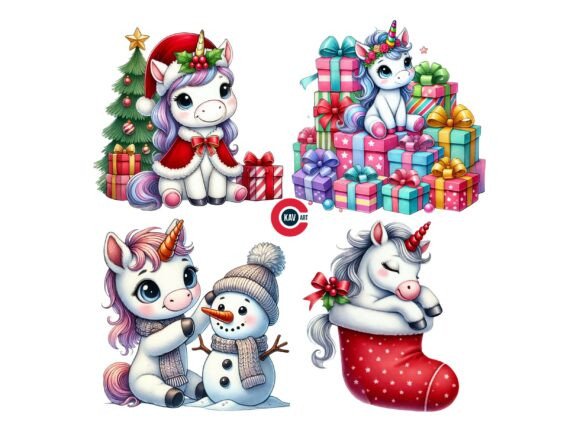
Cute Christmas Unicorn Clipart
When I first opened the file for Cute Christmas Unicorn Clipart, my immediate thought wasn't about the festive colors or the whimsical character. As someone who has spent years turning digital files into stitched reality, my eyes went straight to the construction. Would this translate well from a screen to a hoop? Could it hold up on a heavy cotton canvas tote bag, or would it get lost in the texture of a wool sweater? The world is flooded with holiday illustrations, but finding one that balances charm with technical viability for an embroidery machine is a different challenge entirely.
This review looks at Cute Christmas Unicorn Clipart not just as a pretty image, but as a functional asset for your next handmade product line. Whether you are an Etsy seller looking to boost holiday sales or a boutique owner creating custom gifts, understanding how a design behaves before you hit the "start" button on your machine is crucial. Let's dive into how this piece performs in real-world scenarios.
The First Stitch: Visual Personality and Mood
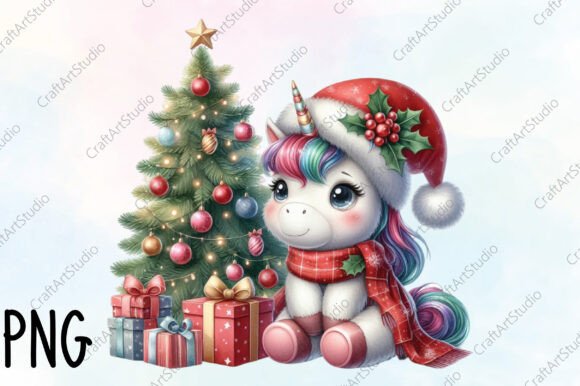
The moment you look at Cute Christmas Unicorn Clipart, it exudes a specific kind of warmth that screams "personalized gift." It isn't just a generic holiday icon; it carries a playful, magical energy that fits perfectly into the modern trend of whimsical decor. For designers, this mood is valuable because it immediately suggests where the product should live. This isn't a design meant for corporate branding or serious formal wear. It belongs on cozy knits, soft baby blankets, and cheerful kitchen towels.
The layout feels balanced, which is often the hardest part of working with illustration-based designs. There is enough negative space around the unicorn to allow the stitches to breathe without feeling cramped, yet the central figure is detailed enough to command attention. When I imagine this stitched onto a white pillow cover, the contrast between the festive elements and the clean background creates a focal point that draws the eye. It has the visual weight to stand alone without needing extra text or complex borders.
Real-World Application: From Digital File to Finished Product
I recently tested a similar concept on a custom project to see how these illustrative styles hold up under pressure. Imagine preparing a batch of custom embroidered tote bags for a local craft fair. You want something unique that customers will remember. Using Cute Christmas Unicorn Clipart here makes sense. The design is versatile enough to work on various fabric types, provided you choose the right stabilizer.
For small business owners and crafters, the versatility of this design is a major selling point. It transitions seamlessly from a machine embroidery design on a sweatshirt to a delicate detail on a baby onesie. The whimsical nature of the unicorn appeals to parents looking for nursery decor, while the Christmas theme captures the holiday spirit for seasonal shoppers. I can easily see this being used on aprons for holiday baking classes or as a patch on denim jackets for a trendy, personalized look.
However, success depends on execution. If you are an Etsy seller planning to list this as a finished product, consider how the design interacts with the garment. On a dark-colored hoodie, the thread colors need to pop. On a light fabric, the details must remain crisp. The design works beautifully as a tote bag design because the flat surface allows for precise stitching without the distortion that occurs on curved surfaces like caps or hats.
Navigating Technical Challenges and Fabric Textures
While the aesthetic appeal of Cute Christmas Unicorn Clipart is high, practical application requires caution. Not every surface is created equal. If you plan to use this on a textured fabric like a chunky knit sweater or a rough burlap sack, you might face issues with stitch definition. The fine lines of the illustration could get swallowed by the fabric weave, resulting in a muddy appearance rather than a sharp image.
Similarly, stretchy fabrics like jersey t-shirts present a significant risk. Without proper stabilization, the tension required for a fill stitch or satin stitch can cause the fabric to pucker, ruining the shape of the unicorn. In these cases, using a cut-away stabilizer is non-negotiable to maintain the integrity of the embroidery project. If you are working with thin fabrics, such as silk or lightweight cotton, the density of the stitches might be too heavy, causing the material to tear over time.
Dense stitch areas are another potential pitfall. If the design includes large blocks of color, ensure that your machine can handle the thickness without skipping stitches. On products that require frequent washing, like kitchen towels or baby clothes, dense stitching can trap lint and debris. While Cute Christmas Unicorn Clipart is likely designed with standard densities, always inspect the final result after the first wash to ensure durability. For commercial embroidery projects intended for long-term use, lighter stitch counts often yield better results on flexible materials.
Where to Exercise Caution
- Small Hoop Sizes: If you are working with very small hoops, verify that the intricate details of the unicorn don't get lost. Tiny lettering or fine hair strands might not stitch clearly.
- Curved Surfaces: Applying this to a cap or a rounded mug requires careful tension management. Flat surfaces like pillow covers or kitchen towels are safer bets for beginners.
- Dark Fabrics: Ensure the thread colors provide sufficient contrast. A light-colored unicorn on a black background might require a underlay layer to prevent the fabric from showing through.
- Layered Garments: Be mindful of the bulk created by multiple layers of stitching on thick materials like hoodies.
Impact on Brand Value and Customer Trust
In the competitive world of handmade goods, the quality of your embroidery speaks volumes about your brand. A poorly executed design can make a product look cheap, even if the materials are high-quality. Conversely, a well-stitched embroidery file elevates the perceived value of the item. Cute Christmas Unicorn Clipart, when executed correctly, adds a touch of professionalism and care that customers appreciate.
For creative entrepreneurs, this design offers a great opportunity to create cohesive collections. Imagine a set of matching items: a tea towel, a hat, and a tote bag all featuring the same whimsical unicorn. This consistency builds brand recognition and makes your shop look more established. It also enhances the giftability of your products. A customer buying a personalized gift wants to know that the item they are giving will look good and last long. Clear, clean stitching reinforces trust in your craftsmanship.
When showcasing your work, high-quality mockups are essential. Before listing your products, test the design in black and white mockups to check the contrast and composition. This helps you visualize how the design will look regardless of the thread colors you choose. It also ensures that the design remains effective even if the client requests a monochromatic palette.
Practical Designer Notes for Success
Before you commit to a full production run, there are several steps every experienced designer takes to ensure success. First and foremost, always test the design on scrap fabric that matches your final project material. This simple step reveals issues with puckering, thread breaks, or density problems that you wouldn't notice on a computer screen.
Check your thread color contrast carefully. Sometimes a color that looks vibrant on a monitor appears dull once stitched. Review the stitch density to ensure it isn't too heavy for the fabric type. Confirm your hoop size is appropriate for the design dimensions to avoid cutting off important details. Inspect small details closely; sometimes what looks clear in a digital preview becomes indistinct when stitched.
If you are planning to sell finished items or offer this as a digital embroidery file, confirm the licensing terms explicitly. Do not assume that purchasing the illustration grants you commercial rights for resale. Many creators overlook this critical detail, leading to legal complications down the line. Also, verify whether the design works for both personal and commercial projects, as some licenses restrict usage to personal gifts only.
Finally, use the proper stabilizer for your specific fabric. A water-soluble topping might be necessary for textured fabrics to keep the stitches visible, while a heavy-duty cut-away is needed for stretchy knits. By paying attention to these technical details, you ensure that Cute Christmas Unicorn Clipart transforms from a simple illustration into a stunning, professional finished product that your customers will love.