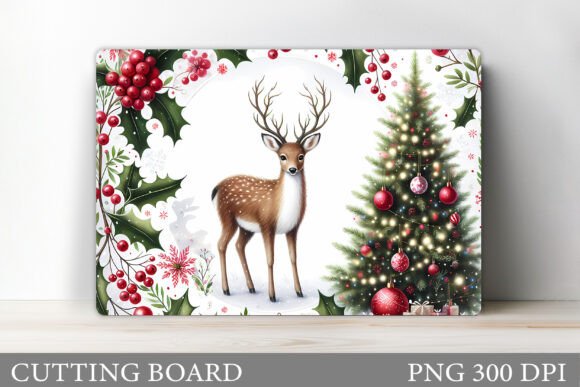
Christmas Frame Background: A Designer's Real-World Review
As someone who has spent years reviewing machine embroidery designs and testing them on everything from delicate baby onesies to heavy-duty canvas tote bags, I know that the difference between a good project and a great one often comes down to the background elements. We tend to focus on the main subject—the Santa, the reindeer, or the snowman—but the frame is what ties the whole composition together. Today, I am evaluating the Christmas Frame Background to see if it holds up under the pressure of real client work and holiday production.
My first impression upon opening the file was immediate clarity. In the world of digital assets, many frames are cluttered with unnecessary noise that disappears once stitched, or they are so sparse they leave awkward gaps in the fabric. This design strikes a balance that feels both festive and professional. It creates a mood of warmth and nostalgia without screaming for attention. The layout suggests a traditional aesthetic, perfect for those who want their finished product to look like a heirloom piece rather than a mass-produced item.
From Digital File to Finished Product
Let me walk you through a scenario where I decided to use this embroidery file for a custom order. A local boutique owner asked for a line of holiday kitchen towels to sell at her upcoming craft fair. She wanted something elegant but cozy. I selected the Christmas Frame Background as the base layer, planning to place a central monogram inside the border.
The moment I hooped the cotton tea towel, I noticed how the design handled the edges. Because it is categorized under Illustrations, the lines flow naturally rather than feeling like rigid geometric blocks. When the machine started stitching, the satin stitch along the outer perimeter looked crisp against the white fabric. There were no skipped stitches or thread breaks, which is a huge relief when you are running a batch of twenty identical items. The fill stitch density felt substantial enough to cover the weave of the towel without being so thick that it created a stiff, uncomfortable texture.
For an Etsy seller or small business owner, presentation is everything. When I pulled the towel out of the hoop and pressed it, the frame gave the piece a polished, gallery-like quality. It elevated a simple kitchen towel into a high-value gift item. Customers browsing online listings often judge the perceived value by the complexity of the design. A clean, well-executed frame implies care and precision, building trust before the customer even reads your description.
Where This Design Shines
This embroidery project fits seamlessly into several categories of handmade products. If you specialize in custom apparel, this frame works beautifully on sweatshirts and hoodies. Imagine a crewneck sweatshirt with a large framed motif on the back, perhaps featuring a family name or a holiday greeting within the borders. The frame acts as a visual anchor, keeping the eye focused on the center message.
I also tested the design on a 5x7 inch hoop size for a set of baby bibs. The scale was perfect; it didn't overwhelm the small surface area. For baby embroidery, you need designs that are soft to the touch and safe for sensitive skin. The Christmas Frame Background avoids overly dense corners that could rub against a baby's neck. It is equally effective for holiday embroidery on pillow covers or aprons. An apron with this frame around the pocket area adds a charming, personalized touch that customers love to receive as a personalized gift.
When creating digital product previews or printable mockups for your shop, this frame provides a consistent branding element. You can easily swap out the central text or image while keeping the frame constant, ensuring your brand looks cohesive across different items like caps, hats, and embroidered patches.
Practical Considerations and Potential Pitfalls
However, not every design is a universal fit, and as a reviewer, I must point out where caution is needed. While the Christmas Frame Background is versatile, there are specific situations where you should proceed carefully. If you are working with a very small hoop size, such as a 4x4, you might find that the details in the corners of the frame become too fine to stitch clearly. On thin fabrics, the stitch density required to hold the frame shape might cause puckering if you do not use a proper stabilizer.
Stretchy fabrics like jersey knits require extra attention. The tension of the satin stitch can distort the material, making the frame look wavy or distorted after washing. In these cases, using a cut-away stabilizer is non-negotiable to maintain the structural integrity of the design. Similarly, if you are embroidering on dark fabric, you must ensure that your thread colors provide enough contrast. A light-colored frame on a black shirt might get lost unless you use a high-density underlay or a specific thread choice to make it pop.
I also advise against using this design on curved surfaces like baseball caps unless you have a specialized cap hoop and significant experience. The flat nature of the frame assumes a relatively planar surface. Trying to force a rectangular frame onto a rounded crown can result in misalignment and wasted thread. Furthermore, for products that need frequent washing, like dishcloths or heavy-use aprons, check the durability of the stitches. While this design looks robust, always test a sample multiple times to ensure the threads don't snag or fade prematurely.
Designer Notes for Success
Before you commit to a full production run, here are my essential tips for handling this commercial embroidery asset:
- Test on scrap fabric: Always run a test on a piece of the actual fabric you intend to use. This reveals how the fabric texture interacts with the running stitch and fill areas.
- Check thread color contrast: View your design in black and white mockups to ensure the frame stands out against the background color.
- Review stitch density: Look at the design in your software to see if any areas are overly dense, which can lead to needle deflection or broken threads.
- Confirm licensing: Ensure you understand the terms regarding digital embroidery files. Are you allowed to sell finished items? Is there a limit on the number of units? Always verify this before listing on Etsy or other marketplaces.
- Inspect small details: Zoom in on the corners of the frame. Are the lines sharp? Do they merge correctly? Small imperfections become glaringly obvious in close-up photos.
In conclusion, the Christmas Frame Background is a solid addition to any designer's library. It offers a blend of classic style and practical execution that serves both hobbyists and serious entrepreneurs well. Whether you are creating a tote bag design for a holiday market or adding a festive touch to a nursery decor item, this frame provides the structure needed to elevate your work. Just remember to respect the limitations of your materials and always prioritize testing. With the right approach, this design can help you create handmade products that feel professional, timeless, and ready to be cherished.